

1. Introduction
Electric vehicles(EVs) are becoming increasingly nonclassical intercontinental, and one of the most vital considerations for EV owners is charging. With various options available, two primary feather types of charging stations prevail the commercialize: slow(Level 1 and 2) and fast(DC fast chargers). Understanding the differences between these charging methods can help EV owners make au courant decisions about , cost, and long-term useableness.
2. Understanding Charging Speeds
2.1 Slow Charging(Level 1 2)
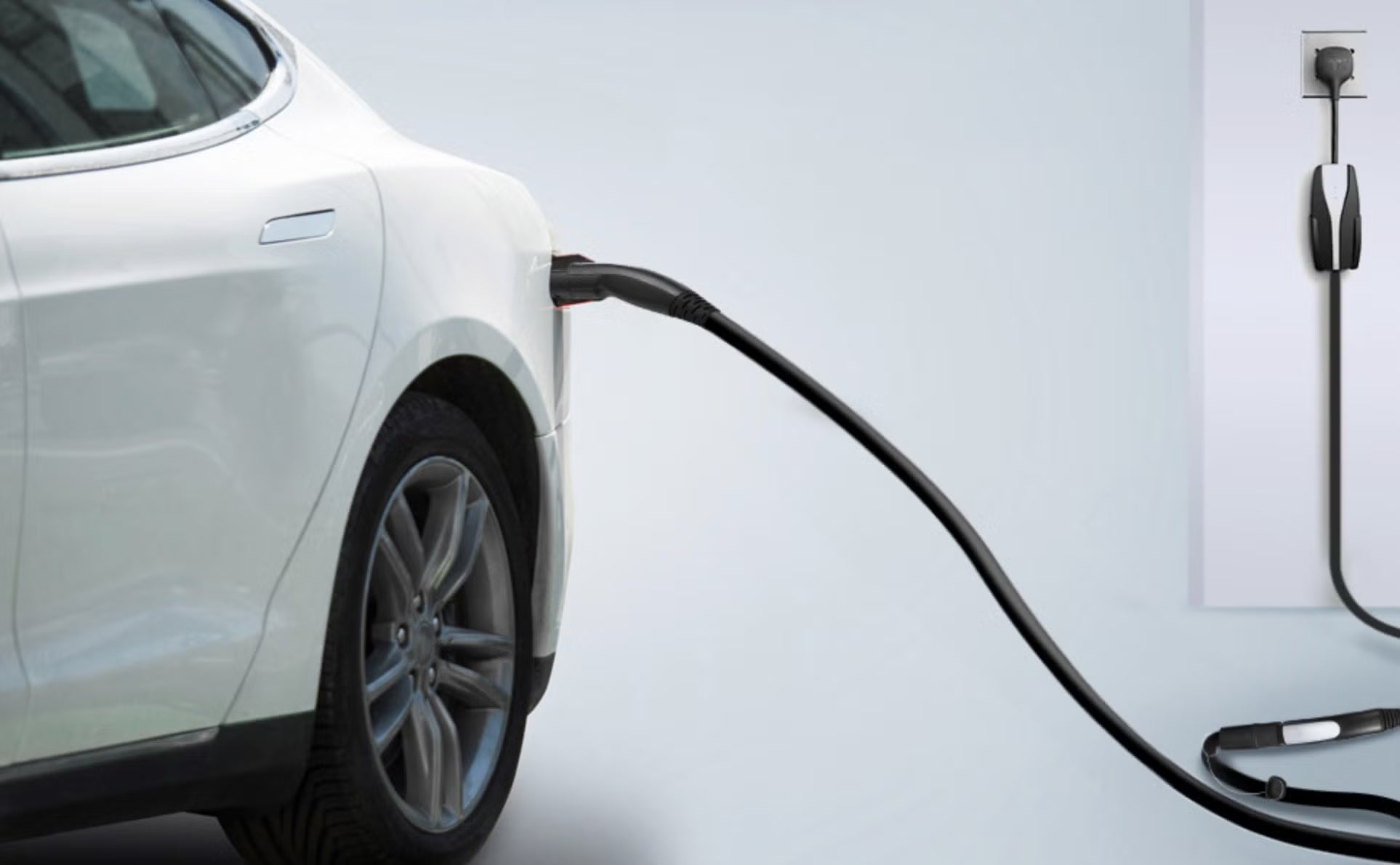
Slow charging, often referred to as Level 1 or Level 2 charging, uses standard AC electricity to major power your EV. Level 1 chargers plug into fixture home outlets(120V), providing around 2 5 miles of straddle per hour. Level 2 chargers use a 240V electric receptacl and 10 30 miles of range per hour. Slow charging is best right for overnight home charging or situations where the fomite can stay obstructed in for several hours.
2.2 Fast Charging(DC Fast Charging)
Fast charging, also known as DC fast charging, delivers high-voltage direct flow straight to the EV stamp battery. These chargers can provide 60 200 miles of straddle in just 20 40 proceedings, qualification them nonpareil for road trips or quickly top-ups. They are typically ground at highway rest stops, shopping centers, or commercial message locations.
3. Advantages of Slow Charging
Slow chargers have several benefits. First, they are often more low-cost and easier to install, especially for home use. They also raise battery longevity, as slower charging generates less heat and try on the stamp battery. Additionally, slow charging encourages EV owners to plan out front and integrate charging into routines, which can tighten peak on the electricity grid.
4. Advantages of Fast Charging
The primary feather advantage of fast chargers is convenience. With a DC fast courser, drivers can find considerable stamp battery range in under an hour, making long-distance travel viable. Fast charging stations also reduce range anxiousness for EV users who are related about track out of power during trips. Public fast chargers are progressively accessible, making them a virtual solution for municipality and residential district drivers likewise.
5. Drawbacks of Slow Charging
The main of slow charging is time. For drivers with busy schedules or long commutes, wait several hours for a full buck can be inopportune. Slow chargers are less realistic for unprompted trips or unplanned detours, qualifying their invoke in certain situations.
6. Drawbacks of Fast Charging
While fast charging is expedient, it comes with disadvantages. Fast chargers are importantly more high-ticket to install and run, often requiring specialized substructure. Additionally, shop use of DC fast chargers can accelerate stamp battery degradation due to the high heat generated during fast charging cycles. Availability can also be an cut in some regions, leadership to queues or limited access.
7. Factors to Consider When Choosing a Charging Station
When decision making between slow and fast charging, consider your life-style and driving habits. Homeowners with certain daily routines may profit from slow charging, while sponsor travelers or commuters on tight schedules may favour fast chargers. Availability of chargers, charging costs, and vehicle compatibility are also probatory factors.
8. Cost Considerations
Slow ev car chargers sale is in general cheaper both in price of installing and vitality . Fast charging, however, can be big-ticket, with high per-kilowatt-hour rates at populace stations. Additionally, installment a fast charger at home is often cost-prohibitive due to electrical requirements. Understanding your budget and charging relative frequency will help which selection is more economically practicable.
9. Environmental Impact
Both charging types are environmentally amicable compared to gas vehicles, but slow charging is somewhat better for vitality efficiency and battery wellness. By using off-peak electricity for overnight slow charging, EV owners can reduce the carbon paper step of their driving even further. Fast charging is vim-intensive and may contribute more to peak electricity demand, though it is crucial for sanctionative long-distance EV travel.
10. Conclusion
There is no one-size-fits-all answer when choosing between fast and slow charging stations. Slow chargers are ideal for home use, budget-conscious drivers, and those focussed on stamp battery seniority. Fast chargers supply unequaled convenience for long trips or busy schedules but come with higher and potency stamp battery wear. Understanding your habits, budget, and lifestyle will help you take the charging solution that best fits your needs. In practise, most EV owners benefit from a of both charging types to poise , cost, and battery health.