

Running a massage therapy practice involves much more than helping clients feel better. You also have appointments to manage, supplies to purchase, payments to collect, business expenses to track, and tax records to maintain. Without a basic bookkeeping system, these financial details can quickly become difficult to organize. 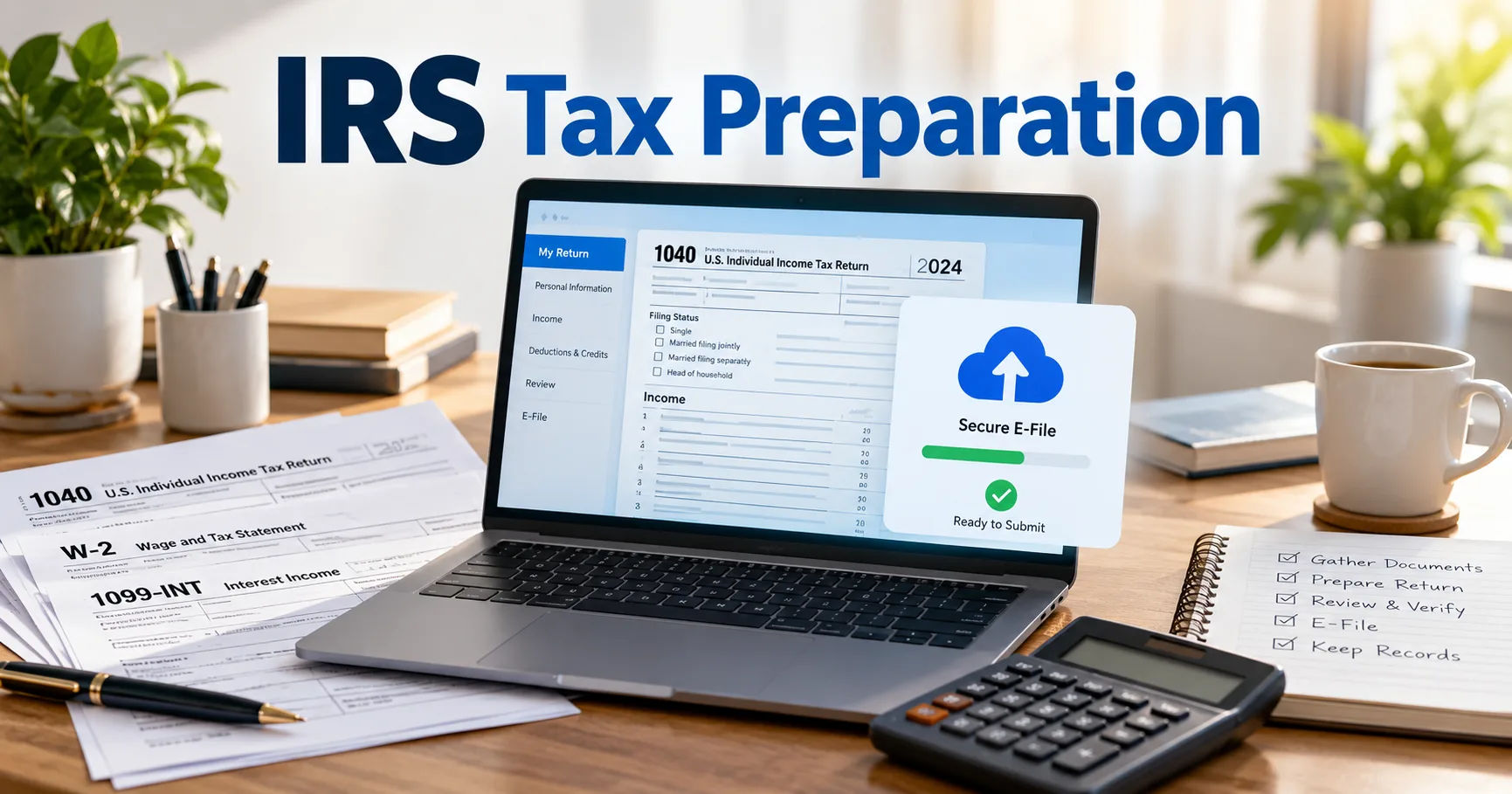 Simple bookkeeping does not have to mean spending hours building complicated spreadsheets. A massage therapist can create a straightforward system that records income, expenses, receipts, mileage, and other important financial information throughout the year. The goal is to know where the money comes from, where it goes, and which records may be needed when preparing tax returns.
For many independent massage therapists, Conversational financial management for massage therapists without spreadsheets for IRS tax preparation can make financial organization easier to understand and maintain. The important point is not to create a complicated accounting system. It is to build a routine that you can actually follow consistently.
Why Simple Bookkeeping Matters for Massage Therapists
Bookkeeping is the process of keeping organized records of business money coming in and going out. For a massage therapist, this may include client payments, tips, massage oils, linens, equipment, rent, advertising, software subscriptions, professional fees, and transportation related to business activities.
Good bookkeeping gives you a clearer picture of your practice.
You can see how much revenue you generate each month. You can identify expenses that are becoming too high. You can compare busy and slow periods. Most importantly, you can maintain financial records instead of trying to reconstruct an entire year when tax time arrives.
This is where Conversational financial management for massage therapists without spreadsheets for IRS tax preparation can be useful as a simple organizational approach. Instead of treating bookkeeping as a separate administrative project, you can make it part of your normal business routine.
Start by Separating Business and Personal Money
One of the easiest ways to simplify bookkeeping is to separate business transactions from personal transactions.
If possible, use a dedicated business checking account for payments and business expenses. A separate business credit card can also make expense tracking easier.
For example, suppose you purchase massage cream, a new table, groceries, and personal clothing using the same card. At the end of the year, you would need to determine which purchases were business-related and which were personal.
That creates unnecessary work.
When business purchases are made through a dedicated account, the financial history becomes easier to review. This approach also supports Conversational financial management for massage therapists without spreadsheets for IRS tax preparation because your financial information can be organized around actual business activity rather than mixed transactions.
Separating accounts does not eliminate the need for accurate records, but it can make the process much cleaner.
Record Every Source of Massage Income
A massage therapist may receive money in several different ways.
Clients might pay with cash, credit cards, debit cards, checks, online payment services, or other electronic methods. Some therapists may also receive tips.
Every business payment should be recorded accurately.
Your income records should make it possible to determine how much money the practice generated during a particular period. Depending on how your business operates, you may want to track the date, service provided, amount received, payment method, and any applicable tip separately.
For example, a simple entry could identify a 60-minute massage, the amount charged, and the payment received.
Do not rely entirely on bank statements. A bank statement shows money moving through an account, but it may not provide enough detail about what each payment represented.
A consistent income-recording routine is an important part of Conversational financial management for massage therapists without spreadsheets for IRS tax preparation because it helps transform individual transactions into useful financial information.
Track Expenses as You Make Them
Expense tracking becomes much easier when you record purchases shortly after they happen.
Waiting until the end of the month can seem harmless. Waiting until the end of the year is a completely different problem.
A massage therapist may have expenses such as:
-
Massage oils and lotions
-
Sheets, towels, and laundry supplies
-
Massage tables and equipment
-
Office or studio rent
-
Business insurance
-
Licensing and professional fees
-
Advertising
-
Website costs
-
Booking software
-
Payment processing fees
-
Cleaning supplies
-
Business-related travel
-
Professional education
Not every expense will necessarily be deductible, and tax treatment depends on the circumstances. The important bookkeeping habit is to record the transaction and retain supporting documentation.
This is another reason Conversational financial management for massage therapists without spreadsheets for IRS tax preparation can be a useful concept. Financial management becomes less intimidating when you focus on capturing each transaction correctly instead of trying to understand everything at tax time.
Keep Receipts and Supporting Documents
A bookkeeping record is stronger when it can be supported by documentation.
Receipts are especially important for expenses. A receipt can show what you purchased, when you purchased it, and how much you paid.
Digital receipts should be saved in an organized location. Paper receipts can be scanned or photographed if you have a reliable system for preserving them.
Avoid taking a picture of a receipt and then leaving it buried in your phone's photo gallery. That may technically preserve the image, but it does not create a very useful recordkeeping system.
Instead, use folders or categories based on the type of expense and year.
For example, you might organize records by categories such as equipment, supplies, insurance, education, advertising, and professional services.
An organized receipt system supports Conversational financial management for massage therapists without spreadsheets for IRS tax preparation because financial questions can be answered from documented transactions rather than memory.
Create Simple Expense Categories
You do not need dozens of categories to begin bookkeeping.
Too many categories can actually make bookkeeping harder. The goal is to create enough categories to understand your business spending without turning every purchase into a complicated classification exercise.
A massage therapist could begin with broad categories such as supplies, equipment, rent, insurance, advertising, professional services, education, software, and transportation.
Over time, you can adjust these categories if your practice becomes more complex.
For example, if you regularly purchase different types of supplies, you might eventually separate consumable massage products from linens and cleaning materials.
The system should serve the business, not the other way around.
This practical approach fits naturally with Conversational financial management for massage therapists without spreadsheets for IRS tax preparation because the focus stays on understandable financial information rather than unnecessarily complicated accounting structures.
Track Business Mileage Carefully
If you drive for legitimate business purposes, mileage may become an important recordkeeping area.
The key is to keep records as you go.
Do not try to remember all of your business-related driving several months later. Memory is unreliable, especially when multiple appointments and errands are involved.
Record the date, business purpose, and distance according to the method appropriate to your tax situation.
Personal driving should not simply be labeled business mileage because the trip happened during a workday. The purpose of the trip matters.
For example, driving from your home to a regular workplace may receive different tax treatment from driving between business locations or traveling for another qualifying business purpose.
Because mileage deductions and vehicle rules can be specific, consult a qualified tax professional about your circumstances.
Keep Track of Equipment Purchases
Massage therapists often purchase equipment that can represent a significant business expense.
A massage table, massage chair, hot stone equipment, storage furniture, specialized tools, or technology can cost considerably more than everyday supplies.
Do not treat every equipment purchase exactly like a bottle of massage oil.
Keep detailed records of the purchase date, cost, description, and business use. Depending on the item and applicable tax rules, equipment may need different treatment for tax purposes.
A good bookkeeping system should therefore distinguish larger equipment purchases from ordinary operating expenses.
This helps Conversational financial management for massage therapists without spreadsheets for IRS tax preparation remain useful as the business grows. A system that works for a small solo practice can be adjusted when the therapist begins purchasing more expensive equipment.
Reconcile Your Records Regularly
Reconciliation means comparing your bookkeeping records with financial statements and payment records.
For example, if you recorded $4,000 of payments during a month, you should have a reasonable way to verify that amount against your bank account, payment processor, cash records, or other sources.
Reconciliation can reveal missing transactions, duplicate entries, incorrect amounts, and unexpected fees.
You do not necessarily need to perform a complicated accounting procedure every day. A regular weekly or monthly review can be enough for many small practices, depending on transaction volume.
The important thing is consistency.
A routine reconciliation process makes Conversational financial management for massage therapists without spreadsheets for IRS tax preparation more practical because your financial records are regularly checked instead of being treated as a once-a-year project.
Review Your Finances Every Month
Bookkeeping is not only about taxes.
Your records can help you make business decisions.
At the end of each month, look at total income, major expenses, payment processing costs, and overall business activity.
Ask simple questions.
Did revenue increase or decrease?
Which expenses were unusually high?
Are supplies costing more than expected?
Are there unpaid client balances?
Are certain services generating more revenue than others?
Is the practice producing enough income to cover operating costs?
These questions turn bookkeeping into a business management tool.
Conversational financial management for massage therapists without spreadsheets for IRS tax preparation can be particularly helpful when financial information is presented in straightforward language. You should be able to understand what happened financially without needing to become an accountant.
Do Not Ignore Cash Payments and Tips
Cash can be one of the easiest forms of income to overlook.
Because cash does not automatically appear in a bank account, it requires deliberate recordkeeping.
If a client pays cash for a massage, record the transaction. If a client provides a tip, record it appropriately according to the applicable tax and bookkeeping requirements.
The same principle applies to electronic payments. A payment received through an app or processor is still part of the financial activity that needs to be recorded.
A complete bookkeeping system should account for all business income regardless of how the client pays.
Payment Processing Fees
Electronic payment services may charge processing fees.
Suppose a client pays $100, but the payment processor deposits $96 after a $4 processing fee. Your bookkeeping should not automatically treat the $96 deposit as the entire transaction.
The actual recording approach depends on your accounting method and circumstances, but generally, you need to understand both the gross customer payment and the fee.
Payment processing fees can become substantial over a year, especially for a busy practice.
Tracking them separately can help you understand the true cost of accepting electronic payments.
It also strengthens Conversational financial management for massage therapists without spreadsheets for IRS tax preparation by making financial reports more informative.
Set Aside Time for Bookkeeping
A simple system still requires a routine.
Many massage therapists find it easier to schedule bookkeeping time rather than waiting until they feel like doing it.
You might review transactions once or twice a week. During the review, record income, categorize expenses, save receipts, check payment records, and resolve anything that looks unclear.
A short routine performed consistently is usually easier than a large cleanup project.
If you wait until tax season, you may have hundreds of transactions to review at once.
Regular bookkeeping keeps the workload manageable.
Use Technology Without Making It Complicated
Modern bookkeeping does not have to mean building elaborate spreadsheets.
Accounting and financial-management tools can help organize transactions, store receipts, categorize expenses, and produce reports. Some systems can connect with financial accounts or payment processors.
However, technology should simplify the process rather than create another problem.
If a system takes so much effort to maintain that you stop using it, it is not helping.
The best solution is one that matches the size and complexity of your massage practice.
For some therapists, Conversational financial management for massage therapists without spreadsheets for IRS tax preparation may provide a more approachable way to interact with financial information without manually maintaining complicated worksheets.
Prepare for Tax Time Throughout the Year
Tax preparation becomes easier when your bookkeeping is already organized.
You should not have to spend the weeks before a tax deadline searching through old emails, bank statements, receipts, payment apps, and notebooks.
Instead, maintain your records throughout the year.
Keep income information together. Preserve expense documentation. Track relevant mileage. Maintain records for equipment purchases. Keep copies of important business documents.
When tax preparation begins, you can provide your tax professional with organized information instead of a box of unexplained receipts.
Remember that bookkeeping and tax advice are not exactly the same thing. A tax professional can help determine how specific expenses, deductions, income, and business structures should be treated under current tax rules.
Know When to Get Professional Help
Simple bookkeeping works well for many independent massage therapists, particularly when transaction volume is relatively low.
However, your bookkeeping needs may become more complicated as your business grows.
You may need professional assistance if you hire employees or contractors, operate multiple locations, purchase significant equipment, have complex business expenses, or become uncertain about tax requirements.
Professional help can also be valuable if your records are already behind.
Getting assistance does not mean you failed at bookkeeping. It simply means the financial side of the business has reached a point where professional expertise can save time and reduce mistakes.
Even when working with an accountant or tax professional, Conversational financial management for massage therapists without spreadsheets for IRS tax preparation can help you understand the financial information being used to prepare your records.
Common Bookkeeping Mistakes Massage Therapists Should Avoid
One common mistake is mixing personal and business expenses.
Another is waiting until tax season to organize receipts.
Some therapists also forget to record cash payments or fail to account for payment processing fees.
Another problem is recording an expense without retaining documentation.
It is also risky to assume that every purchase connected to your work is automatically deductible. Business relevance, personal use, tax rules, and documentation requirements can all matter.
Finally, avoid creating a bookkeeping system that is too complicated to maintain.
A simple system used consistently is generally more useful than a sophisticated system that is abandoned after two weeks.
A Simple Routine You Can Follow
A massage therapist can keep bookkeeping manageable by establishing a recurring routine.
During the week, record payments and save receipts as transactions occur.
At the end of the week, review income and expenses for missing information.
At the end of the month, reconcile records against financial accounts and payment platforms.
Then review the month's financial performance.
This routine does not require hours of accounting work every day. It simply prevents small tasks from becoming a large problem.
It also gives Conversational financial management for massage therapists without spreadsheets for IRS tax preparation a practical foundation because financial information is captured continuously.
Conclusion
Simple bookkeeping for a massage therapist is mainly about consistency, organization, and understanding what is happening financially.
You do not need to turn yourself into a professional accountant. You need a reliable system for recording income, tracking expenses, preserving receipts, monitoring mileage, documenting equipment purchases, and reviewing your financial activity regularly.
The most important improvement is often changing bookkeeping from an annual tax-season scramble into a normal business habit.
Separate business and personal finances when possible. Record payments promptly. Keep supporting documents. Review expenses regularly. Reconcile your records. Track business mileage carefully. Pay attention to cash, tips, payment fees, and larger equipment purchases.
Most importantly, choose a bookkeeping process you will actually maintain.
Conversational financial management for massage therapists without spreadsheets for IRS tax preparation can make financial organization feel more accessible when the goal is to understand the numbers instead of becoming overwhelmed by them. A massage therapist should be able to look at their records and answer basic questions about revenue, expenses, and business performance without digging through piles of paperwork.
Good bookkeeping also provides something valuable beyond tax preparation: visibility. When you know where your money comes from and where it goes, you can make better decisions about pricing, expenses, scheduling, equipment, marketing, and business growth.
Tax rules can change, and individual situations differ, so organized bookkeeping should be combined with appropriate professional tax advice when needed. The purpose of simple bookkeeping is not to replace that expertise. It is to make sure the financial information your tax professional needs is accurate, organized, and available when required.
For a massage therapist, that is the real advantage of keeping bookkeeping simple. You spend less time reconstructing the past and more time understanding the business you are actually running.